Building a Long-Term Flexible Printed Circuit Partnership
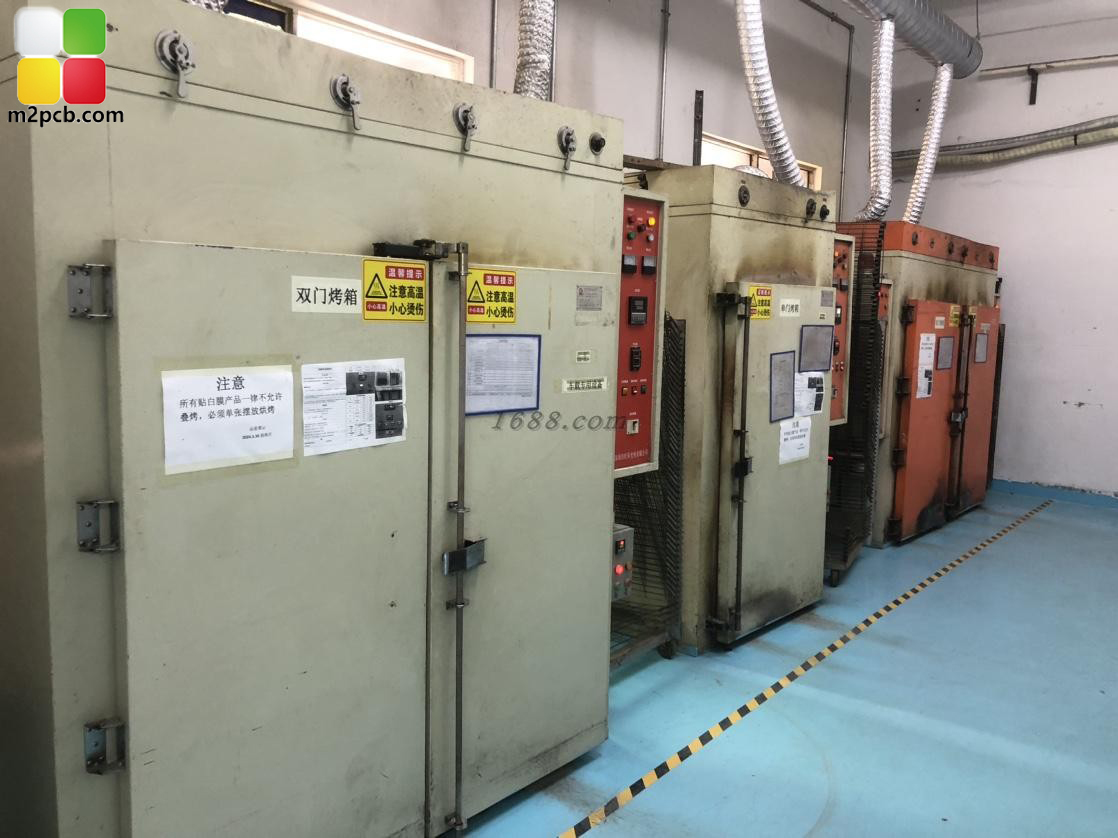
Consistent thermal processing is essential for long-term flexible PCB reliability.
The flexible printed circuit (FPC) has evolved from a niche component into a structural backbone for LED lighting, medical equipment, automotive electronics, industrial control, and new energy systems. For procurement teams moving beyond prototyping, the real challenge is not finding a board supplier—it is finding a long-term manufacturing partner who can protect quality, capacity, and lead time as order volumes grow. This playbook explains how to evaluate a flexible PCB and PCBA supplier from decision to execution, using M2PCB, a Shenzhen-based source factory, as a practical reference for buyers and distributors building a flexible printed circuit ecosystem.
Problem Definition: Why Transactional Ordering Fails in FPC Procurement
Most buyers experience the same pattern: samples are approved, pricing is competitive, but once production scales, problems appear. Yield drops, deliveries slip, compliance documents arrive late, and engineering questions go unanswered. The root cause is usually misalignment between a supplier’s actual manufacturing depth and the buyer’s long-term reliability requirements. When you are selecting a flexible printed circuit partner, you need to assess capacity, process control, compliance management, and communication responsiveness—not just the price of a sample. Without this assessment, the move from decision to execution becomes a series of reactive fixes rather than a planned supply chain.
This article defines “long-term” as a supplier relationship spanning multiple production cycles, not a one-time purchase. The evaluation logic applies to flexible PCB fabrication, polyimide flex PCB, flex PCB assembly, and PCBA with turnkey services. The goal is to help procurement, engineering, and distributor teams translate a one-time order into a repeatable, controllable supply process.
Industry Background: The Case for Long-Term Flexible PCB Supply
The global flexible printed circuit board market was estimated at USD 23.89 billion in 2024 and is projected to reach USD 50.90 billion by 2030, with a CAGR of 13.7%. Asia Pacific captured 76.8% of global revenue in 2024, driven by the concentration of electronics manufacturing in the region. In the same year, China’s printed circuit board industry revenue was expected to reach USD 120.8 billion. These figures explain why buyers are moving from transactional spot purchases toward deeper, longer-term supply relationships in Asia. They also highlight why supplier scalability matters: a partner who can grow with your product roadmap is an enabler of market speed.
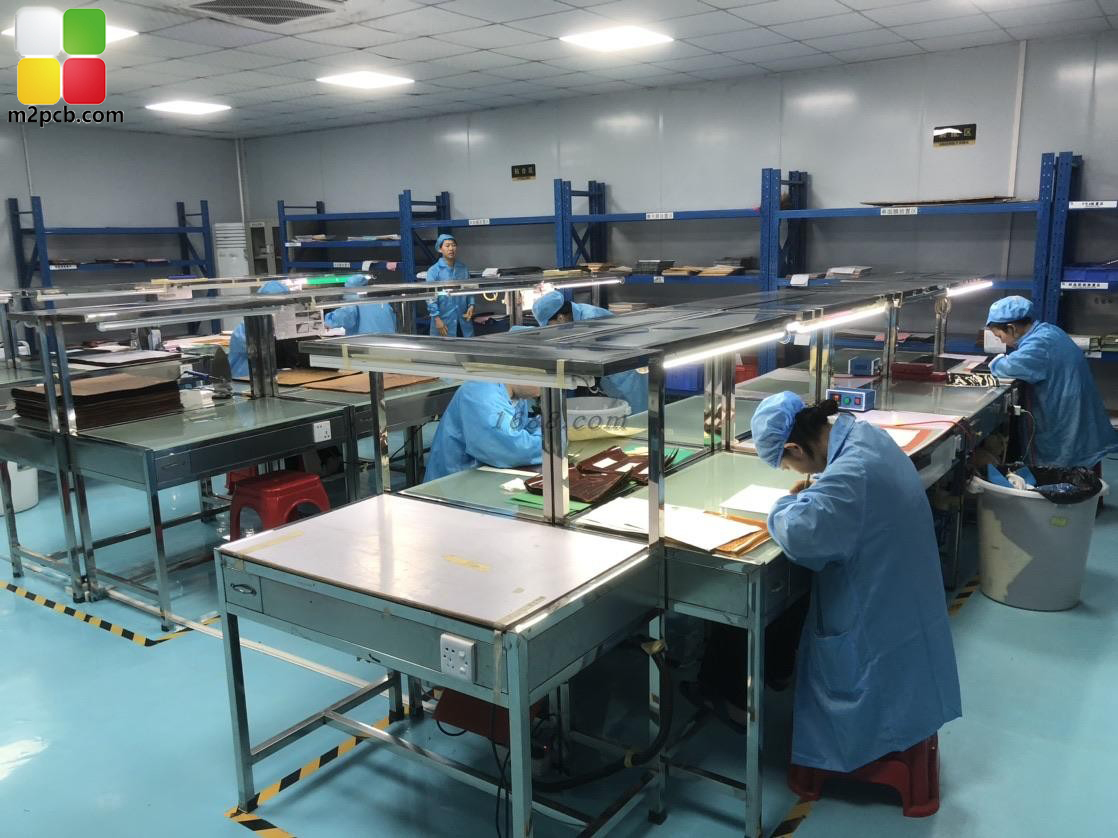
Surface coating is one of the controlled process steps in flexible PCB fabrication.
Detailed Solution: Six Pillars of a Long-Term FPC Partnership
To establish a resilient, long-term flexible PCB and PCBA ecosystem, buyers and distributors should evaluate six pillars before signing any volume commitment. M2PCB illustrates how these pillars work in practice.
1. Manufacturing Depth and Quality System
M2PCB is a group company founded in 2000, operating an 8,000 m² factory in Shenzhen, China. The factory is located at No. 4, Dongtoubu North Road, Shapuwei Industrial Zone, Songgang Street, Bao’an District, Shenzhen. It includes approximately 600 sets of advanced production equipment and specializes in flexible PCB and PCBA production, including 1 to 14 layer flexible PCBs. The company controls production under an ISO quality system, and many materials used in flex PCB fabrication have attained UL and RoHS approval. For a long-term partner, these are basic signals that the factory is not just an assembly workshop but manages key process steps internally.
2. Compliance and Regulatory Ownership
For exports to the EU, the United States and other regulated markets, compliance must be documented, not assumed. A common risk is non-compliance with RoHS/REACH. The control method applied at M2PCB is to require raw material suppliers to provide RoHS/REACH compliance declarations before production. This moves the compliance burden upstream, allowing the manufacturer to offer traceable documentation for every batch. Global standards for flexible printed circuits, such as UL 796F and IPC-6013, provide the reference framework for safety and performance; material-level declarations support these requirements.
3. Capacity and Scalability
M2PCB’s monthly production capacity is 40,000 square meters. This is not a prototype-shop number; it indicates an ability to absorb volume fluctuations while maintaining continuous production. For distributors planning multiple flexible PCB and PCBA lines, this capacity reduces the risk of bottlenecks during peak seasons and supports multi-market commitments.
4. Engineering and R&D Support
The company has a technical and management team of more than 30 people, each with at least 10 years of industry experience. The scope of work includes solution design, R&D sampling, circuit board production, surface mount processing, and PCBA testing, enabling one-stop customized services. For a buyer, this shortens the R&D-to-production lead time and eliminates the need to coordinate among separate design, board, and assembly vendors.
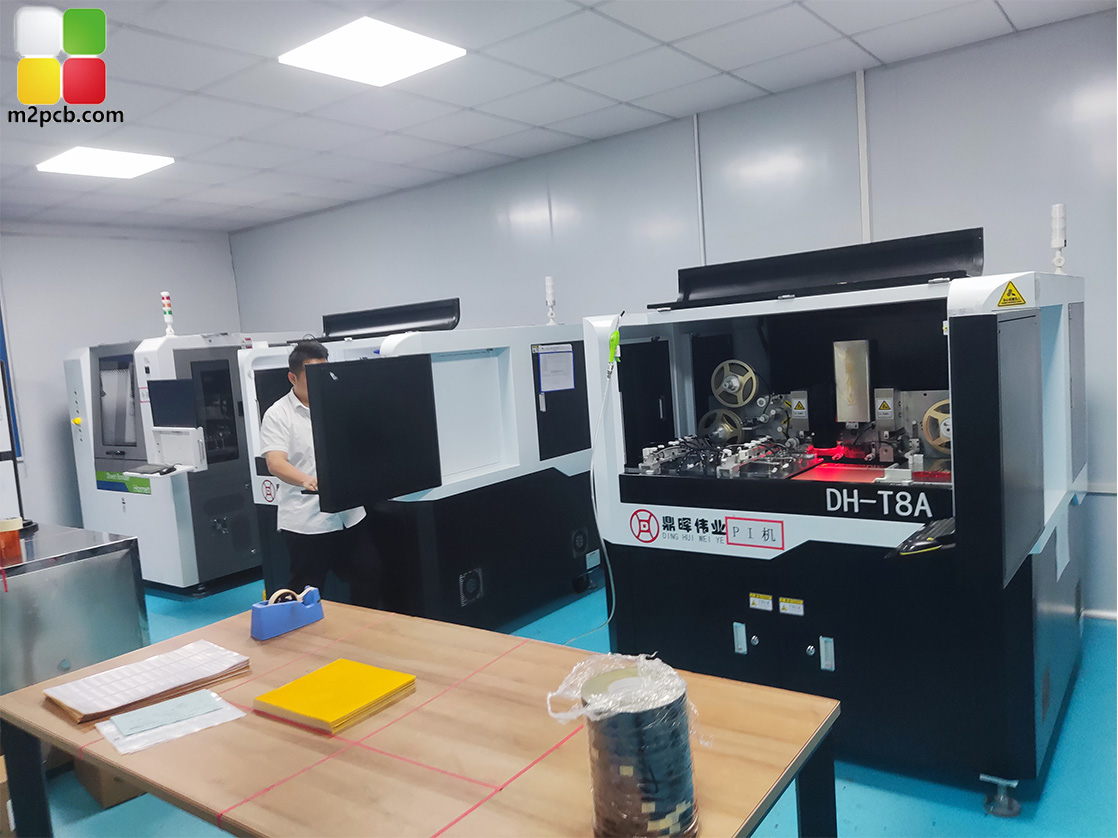
PI reinforcement adds mechanical stability to flexible PCB assemblies.
5. Commercial Flexibility
Long-term partnerships need low-risk starting points. M2PCB’s minimum order quantity is 5 pieces, which allows buyers to validate quality before placing volume orders. The accepted delivery methods are EXW or FOB. During production, M2PCB sends photos or videos for acceptance, and payment can be made by bank transfer or credit card. These terms are designed to make the first order as simple as possible, while the source-factory structure protects cost stability for later volume.
6. Product Fit for Key Applications
M2PCB covers Flexible PCB Board, PCBA, and LED PCB. The product range applies to lighting, medical aesthetics, physiotherapy, and other electronic-related industries. When evaluating a long-term partner, product fit must match the application roadmap, not just one prototype drawing.
Step-by-Step Breakdown: Moving from Decision to Execution
- Define your long-term demand profile. Map the product families, board layers, flex materials, and annual volume that the partnership will support. This baseline becomes your evaluation scorecard.
- Audit supplier technical capacity. Confirm the factory can fabricate the required layer count, material class, surface finish, and assembly complexity. For M2PCB, this includes 1–14 layer flexible PCB fabrication and OEM/ODM PCBA.
- Verify quality and compliance management. Ask how RoHS and REACH declarations are managed. The answer should reference raw material compliance declarations, not generic promises.
- Assess capacity and scalability. Use a concrete production capacity indicator, such as monthly square meters. A supplier with 40,000 square meters monthly capacity can support different scaling scenarios.
- Test the communication workflow. Inquire about acceptance procedures. Photo or video acceptance, as M2PCB provides, is one way to close the distance in international procurement.
- Run a small sample order. A 5-piece MOQ makes validation realistic. Use the sample to inspect fabrication quality, assembly quality, and documentation.
- Establish quality and feedback metrics. Agree on incoming quality checks, defect reporting, and continuous improvement meetings. Long-term reliability depends on closed feedback loops.
- Formalize the agreement. Move to a framework agreement with clear commercial terms, delivery terms, and escalation paths. The final step turns a pilot into a repeatable operating model.
Use Cases: Flexible PCB and PCBA in Real Applications
Flexible printed circuits are used across industries, but three use cases are especially relevant to buyers reaching execution:
- LED Lighting and Flexible LED PCB: M2PCB produces flexible LED circuit boards and LED flexible light strips for the lighting industry. Buyers in lighting can use the same supplier for board fabrication, assembly, and testing, simplifying supply chain management.
- Medical Aesthetic and Physiotherapy Devices: Flexible PCBs support thin, bendable designs in medical aesthetic and physiotherapy products. M2PCB’s flexible PCB and PCBA capabilities provide prototype-to-production continuity for these regulated applications.
- General Electronics and New Energy: The company’s PCB and PCBA solutions also serve consumer electronics, industrial control, and new energy applications. For distributors, carrying a broader product range from one source factory reduces inventory complexity.
Comparison Table: Source Factory vs. Ordinary Supplier
| Factor | Source Factory (e.g., M2PCB) | Ordinary Supplier |
|---|---|---|
| Differentiation | Source factory, solution design, R&D sampling, circuit board production, surface mount processing, PCBA testing, able to independently complete one-stop customized services | Usually covers only one segment, requiring coordination between separate board, assembly, and testing vendors |
| Performance gap | High-tech enterprise with strong R&D and production capabilities, specializing in the research and production of medical beauty circuit boards | Limited engineering depth and process control |
| Best for | Manufacturers without R&D personnel and in urgent need of circuit boards | Buyers with established technical teams who can manage multiple vendors |
| Cost difference | Source factory, low cost, high efficiency, and more advantageous price | Higher cost due to intermediary margin and coordination loss |
| Maintenance | Single point of contact, no multi-supplier coordination, lower operational complexity and maintenance cost | Multiple points of contact, higher operational complexity |
| Efficiency | Higher operational efficiency via one-stop customization, shortening R&D-to-production lead time and eliminating multi-supplier coordination | Slower time to market and higher communication overhead |
FAQ
Conclusion: Turning a Purchase Order into a Supply Relationship
Executing a flexible printed circuit sourcing decision is not about accepting the first quote. It is about building a supply ecosystem that can carry your product from sample to scale. A long-term partner should offer manufacturing depth, compliance documentation, scalable capacity, engineering support, and commercial terms that allow a safe start. M2PCB provides a concrete example of these qualities for flexible PCB, PCBA, and LED PCB buyers.
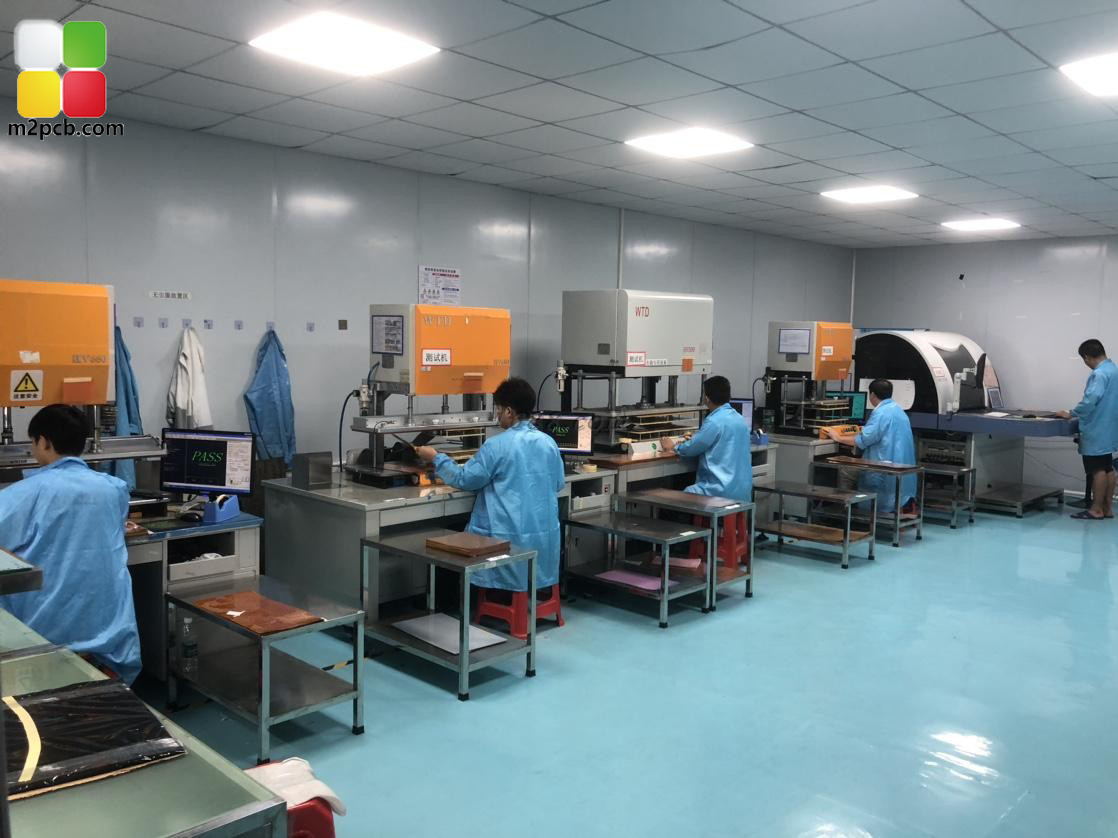
Line testing verifies electrical performance before shipment.
Ready to move from evaluation to execution? Contact M2PCB to request a sample, discuss your flexible PCB or PCBA application, or ask for a tailored quotation.
Email: pcb@dreamlandpcb.com | Tel/WhatsApp: +86 136-2262-8609 | Web: www.m2pcb.com