1. Industry-Specific Requirements for Flexible Printed Circuits in Medical Devices
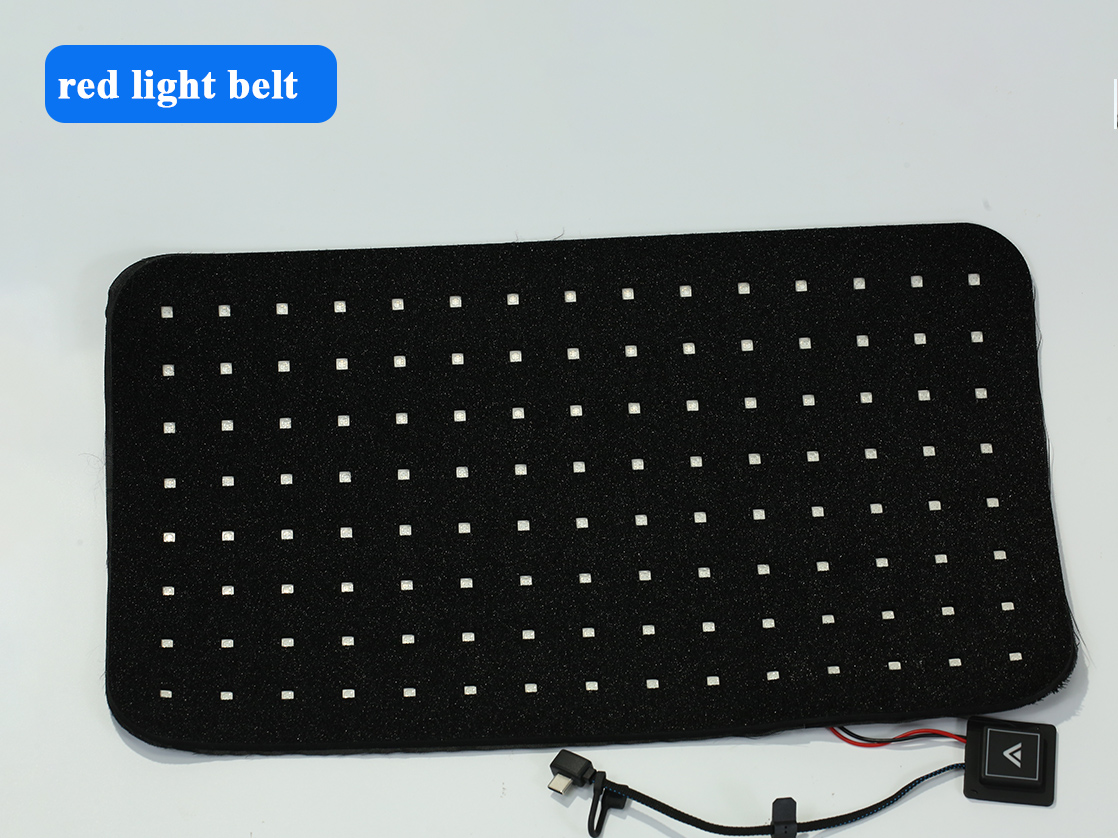
Medical and physiotherapy devices place rigorous demands on electronic interconnects. For instance, red light therapy belts require flexible printed circuits that are ultra-thin, bendable, and capable of reliable thermal management. Key specifications often include a maximum width of 240mm and a product length of 1 meter or supplied by reel. The minimum line width must reach 0.05mm, with a spacing capability of 3/3mil. Polyimide (PI) material is typically chosen for its thermal stability and flexibility, ensuring long-term reliability in repeated bending applications. Compliance with safety standards such as UL (e.g., UL 62368-1) and RoHS/REACH for material restrictions is mandatory for devices intended for the EU and USA markets.
2. Three Essential Capabilities of a Dedicated Flexible PCB Supplier
Industry-specific customization experience — A reliable supplier should demonstrate deep expertise in medical aesthetics and physiotherapy applications. For example, a manufacturer with an R&D team of over 30 engineers, each with at least 10 years of industry experience, can offer ODM/OEM services tailored to specific clinical requirements. Monthly production capacity exceeding 40,000 square meters ensures scalability for high-volume projects.
Regulatory compliance and certifications — Certifications such as FPC-UL (Certificate No. E530809) and IATF 16949:2016 (Certificate No. T184452) provide evidence of adherence to international safety and quality standards. For medical devices, UL compliance is critical for North American market access, while IATF 16949 demonstrates strong process control applicable to automotive and high-reliability sectors.
Robust quality and environmental resistance — Rigorous quality control procedures including 100% testing, flying probe test, electronic testing, and Automated Optical Inspection (AOI) are essential to ensure defect-free boards. The ability to use advanced materials like PI and FR4, and to offer surface finishes such as immersion gold, ensures durability in harsh operating environments where temperature, humidity, and mechanical stress are factors.
3. Proven Case Study: ODM Red Light Therapy Belt for a US Client
M2PCB, a Chinese flexible PCB manufacturer established in 2000, partnered with a US client to develop a red light therapy belt designed to relieve waist pain. The project involved an ODM approach covering circuit design, prototyping, flexible PCB fabrication, SMT assembly, and PCBA testing. Over a two-year period, the client ordered approximately 500,000 pieces. The final product incorporated flexible LED PCBs with PI material, 1-meter length per reel, and a maximum width of 240mm. The therapy belt enables photobiomodulation that promotes blood circulation, reduces inflammation, and alleviates muscle tension. The case highlights the supplier's capability to handle customized processing on demand, providing turnkey solutions from design to delivery.
4. Key Considerations for Buyer-Supplier Collaboration
Define clear industry standards upfront — Require the supplier to provide RoHS/REACH compliance declarations for raw materials and confirm UL certification status. Verify that the supplier's quality management system aligns with your specific market requirements (e.g., FDA for medical, or EU Medical Device Regulation).
Conduct on-site or virtual assessment of manufacturing capabilities — Since flexible PCBs often involve customized processing on demand, ensure the supplier can handle your design files (Gerber, PCB, BOM list) and has the necessary equipment (e.g., flying probe testers, AOI systems, SMT lines). A low MOQ of 5 pieces allows for prototyping before large-scale production.
Establish a responsive after-sales and emergency plan — Choose a supplier that offers remote technical support and maintains consistent communication. M2PCB, for instance, exports to markets including Europe, the United States, Brazil, and the Middle East, and provides single-point-of-contact service to streamline project coordination. Clarify delivery terms (EXW/FOB), payment methods (bank transfer/credit card), and acceptance procedures (photo/video evidence).
By following this procurement guide, buyers can effectively evaluate flexible printed circuit suppliers that meet the unique demands of medical and physiotherapy applications, ultimately ensuring product reliability, regulatory compliance, and cost-efficiency.