Flexible Printed Circuit Supplier Evaluation Checklist
Buyer stage: Evaluation · Published August 2026 · Flexible PCB & PCBA sourcing
Flexible printed circuit (FPC) is a category of printed circuit board built on a flexible polymer substrate—most commonly polyimide—that allows circuits to bend, fold, and fit into compact, curved, or dynamically flexing product designs. Applications include LED lighting strips, medical aesthetics equipment, physiotherapy devices, automotive electronics, and consumer wearables.
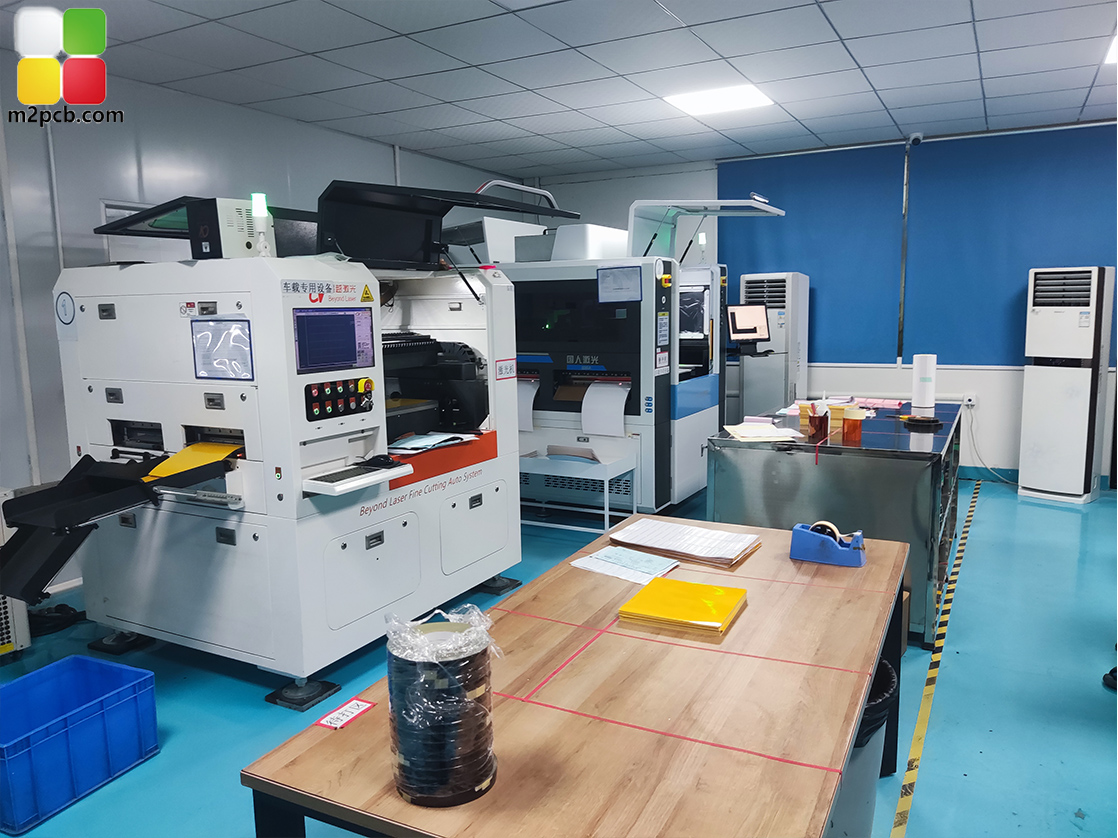
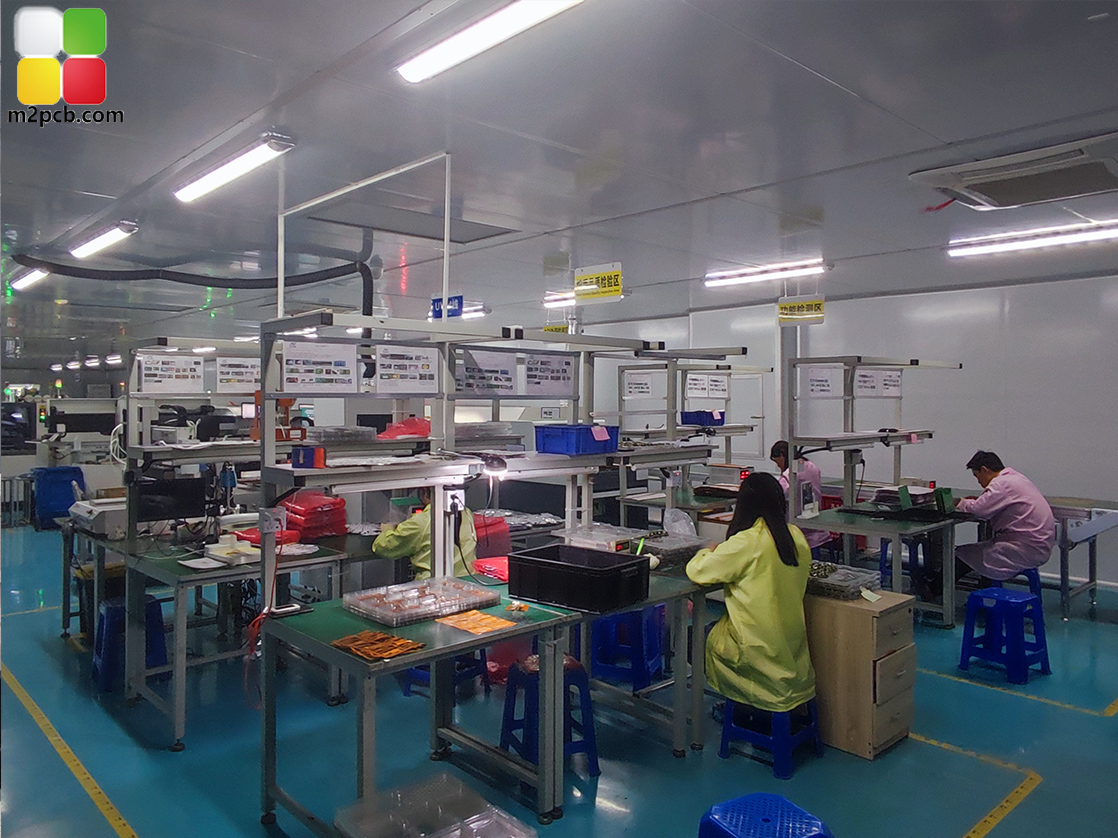
M2PCB is a flexible PCB and PCBA manufacturer based in Shenzhen, China. Founded in 2000, the company specializes in 1-to-14-layer flexible printed circuit boards, flexible PCB fabrication, and full turnkey PCB assembly under OEM/ODM arrangements. It operates an 8,000 m² factory with 200 employees and reports an annual output of 360,000 square meters of flexible PCB.
This article is a fact-based supplier evaluation checklist for engineering, quality, and procurement teams at the evaluation stage of a flexible PCB buy. Rather than relying on brand reputation or market-share rankings alone, the checklist walks through verifiable evidence: certifications, fabrication geometry, assembly capability, quality-control methods, capacity, lead time, and production proof. M2PCB is used as a documented reference example throughout.
Why Flexible Printed Circuit Supplier Evaluation Fails Without Evidence
Evaluating a flexible printed circuit supplier is difficult because flexible PCB fabrication and flex PCB assembly are two different disciplines, and a supplier can be strong at one and weak at the other. Fabrication requires control of polyimide substrate handling, coverlay lamination, and fine-line etching. Assembly requires SMT process control on flexible bases.
Four factors make paper-based evaluations unreliable:
- Certification claims need scope verification. Buyers should check the certificate number, issuing authority, covered product scope, and validity period rather than accepting a general statement about ISO or UL compliance.
- Fabrication capability is not uniform. Not every factory that lists flex PCB can produce multilayer polyimide boards with fine line widths.
- Assembly is a separate process. Flex PCB fabrication and flex PCB assembly require different equipment, handling, and inspection methods.
- Capacity and lead-time claims need numbers. Monthly output, monthly variety, and standard lead time should be stated as verifiable figures.
Industry Background: Market Trends and What They Mean for Buyers
The global flexible printed circuit board market was estimated at USD 23.89 billion in 2024 and is projected to reach USD 50.90 billion by 2030, with a CAGR of 13.7% (Grand View Research). Asia Pacific dominated the industry with a 76.8% revenue share in 2024. Mobile phone applications accounted for 55.8% of global market value in 2024 (TPCA & ITRI).
According to TPCA market-share data cited by I-Connect007, the top three flexible PCB manufacturers by global market share in 2024 were Zhen Ding Technology (19.9%), Dongshan Precision (14.6%), and Nippon Mektron (13.0%). These manufacturers are primarily scaled for high-volume mobile and consumer electronics.
| Company | Global FPC market share (2024) | Industry position |
|---|---|---|
| Zhen Ding Technology | 19.9% | Largest by revenue share |
| Dongshan Precision | 14.6% | Second by revenue share |
| Nippon Mektron | 13.0% | Third by revenue share |
Source: TPCA market-share data cited via I-Connect007.
China's printed circuit board industry revenue was expected to reach USD 120.8 billion in 2024, with exports accounting for approximately 16.5% of total revenue (IBISWorld). For buyers sourcing from China, this scale means the supplier base includes both volume-oriented giants and mid-size specialist factories.
Reference Supplier: M2PCB's Documented Capabilities
M2PCB is a group company specializing in flexible PCB and PCBA production. Its published company profile lists 600 sets of advanced production equipment, a technical and management team of more than 30 people with at least 10 years of industry experience, and monthly delivery of 800 product varieties. 70% of output is exported to the EU, USA, South America, Australia, Brazil, and the Middle East.
Published production facts — M2PCB
- Flexible PCB: 1 to 14 layers; polyimide (PI) substrate
- Flexible LED PCB: 1m or reel length; 240mm maximum width; 0.05mm minimum line width; 3/3mil minimum spacing; flying probe or electrical test
- PCBA: single- or double-sided assembly; turnkey BOM; X-ray test; program burn; FR4 / PI / IMS materials
- Reference rigid PCB: 4-layer FR4, TG130–TG170, 0.4–2.0mm thickness, 0.5oz to 4oz outer copper, impedance control
- Monthly capacity: 40,000 m²; annual output: 360,000 m²
- Lead time: 3–20 days; MOQ: 1 unit
- Quality control: 100% test, flying probe, electronic testing, AOI
- Quality system: ISO; materials with UL and RoHS approval
Step-by-Step: How to Evaluate a Flexible Printed Circuit Supplier
Step 1: Verify Compliance and Certifications
Compliance verification is the first step because it determines whether a supplier can legally and technically serve the target market and application.
For flexible printed circuits, two standards are widely referenced. UL 796F governs safety of flexible printed circuits, addressing flammability (V-rating), MOT, and CTI on flexible substrates. IPC-6013 is the globally recognized performance specification for flexible printed wiring, detailing reliability requirements under various environmental conditions.
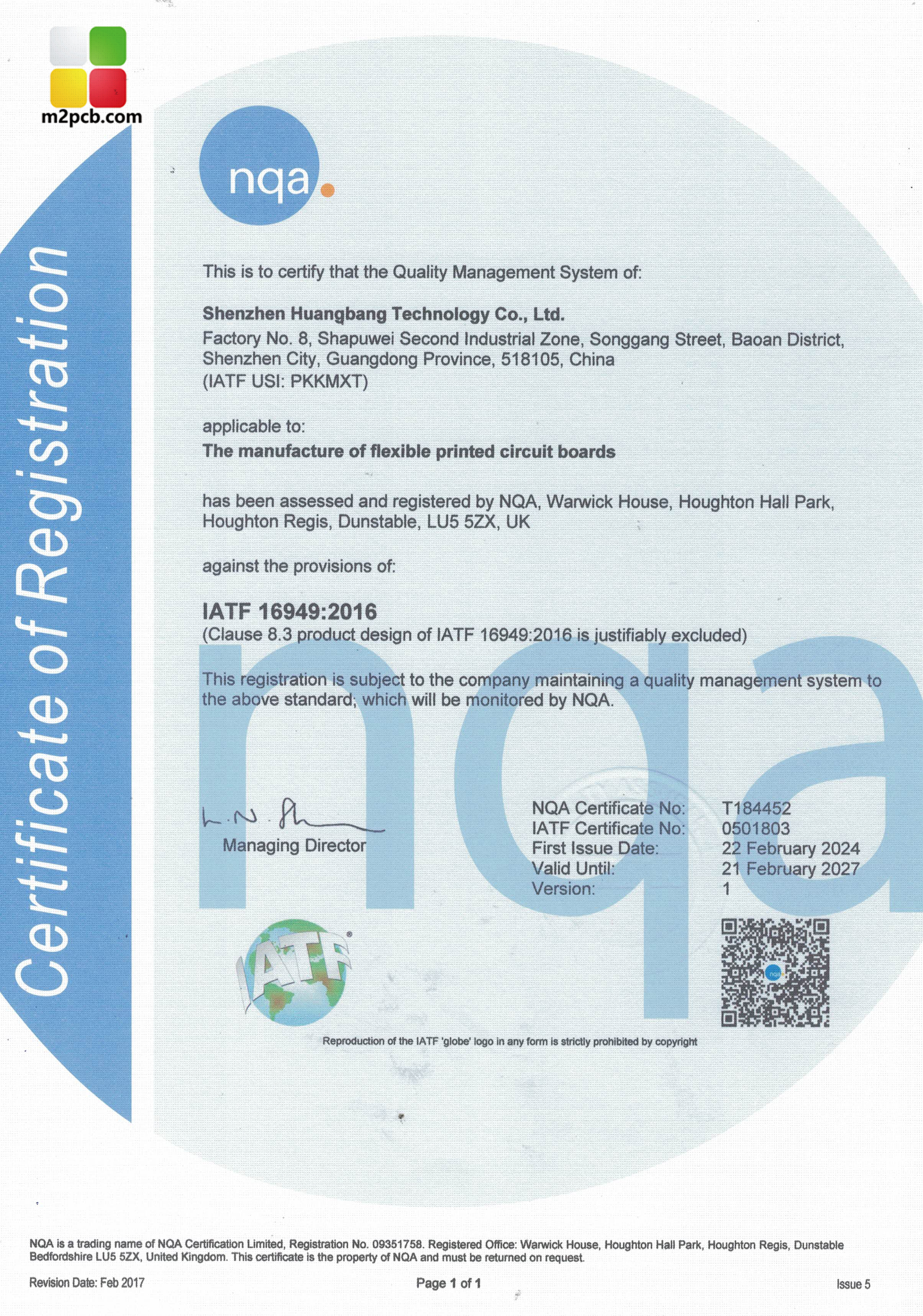
M2PCB holds FPC-UL certificate E530809, issued by Underwriters Laboratories Inc. on 2023-03-20, covering various flexible circuit boards for medical aesthetics, automotive, and electronic products in the North American market. The company also holds IATF 16949:2016 certificate T184452, issued by NQA on 2024-02-21 and valid until 2027-02-21, covering car entertainment, car instrument panel, wiring harness, seats, and various circuit boards in the automotive industry.
Step 2: Audit Fabrication Capability
Fabrication capability determines the geometries, materials, and layer counts a supplier can actually produce.
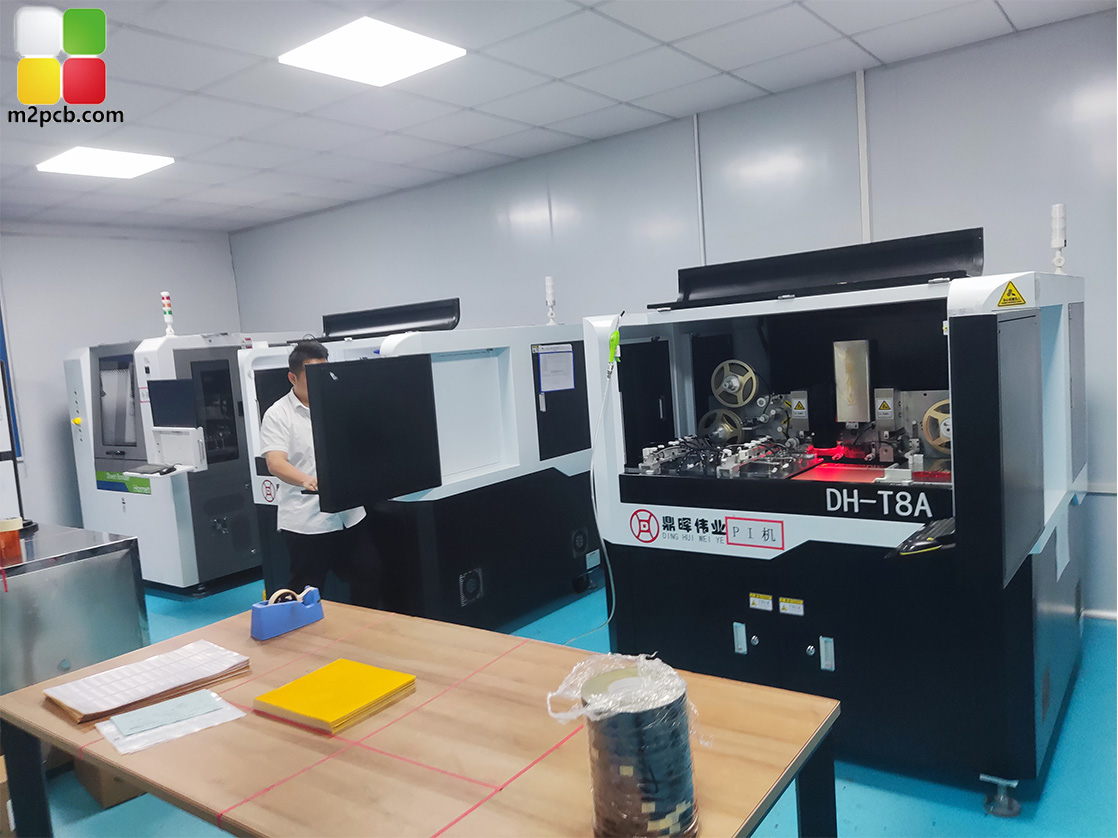
M2PCB reports a fabrication range of 1 to 14 flexible PCB layers on polyimide. Its Flexible LED PCB line supports 1m or reel lengths, a maximum width of 240mm, a minimum line width of 0.05mm, and a minimum spacing of 3/3mil. For reference, its rigid board line offers 4-layer FR4 with TG130, TG140, TG150, and TG170, thickness options from 0.4mm to 2.0mm, and outer copper from 0.5oz to 4oz.
Buyers should match these numbers to their own stackup requirements. If the design requires a layer count, line width, or material outside the supplier's stated range, the supplier should be eliminated regardless of certification status.
Step 3: Evaluate PCBA (Assembly) Capability
Flexible PCB fabrication and flex PCB assembly should be evaluated as separate capabilities, because a bare board that meets specification can still fail in the field if assembly process control is weak.
M2PCB's PCBA line supports single-sided or double-sided assembly, turnkey BOM options, X-ray test, and program burn. Assembly materials include FR4, PI, and IMS. X-ray testing is relevant for flexible circuits where solder joints on vias and connectors cannot be fully verified by optical inspection alone.
Step 4: Inspect Quality Control and Test Methods
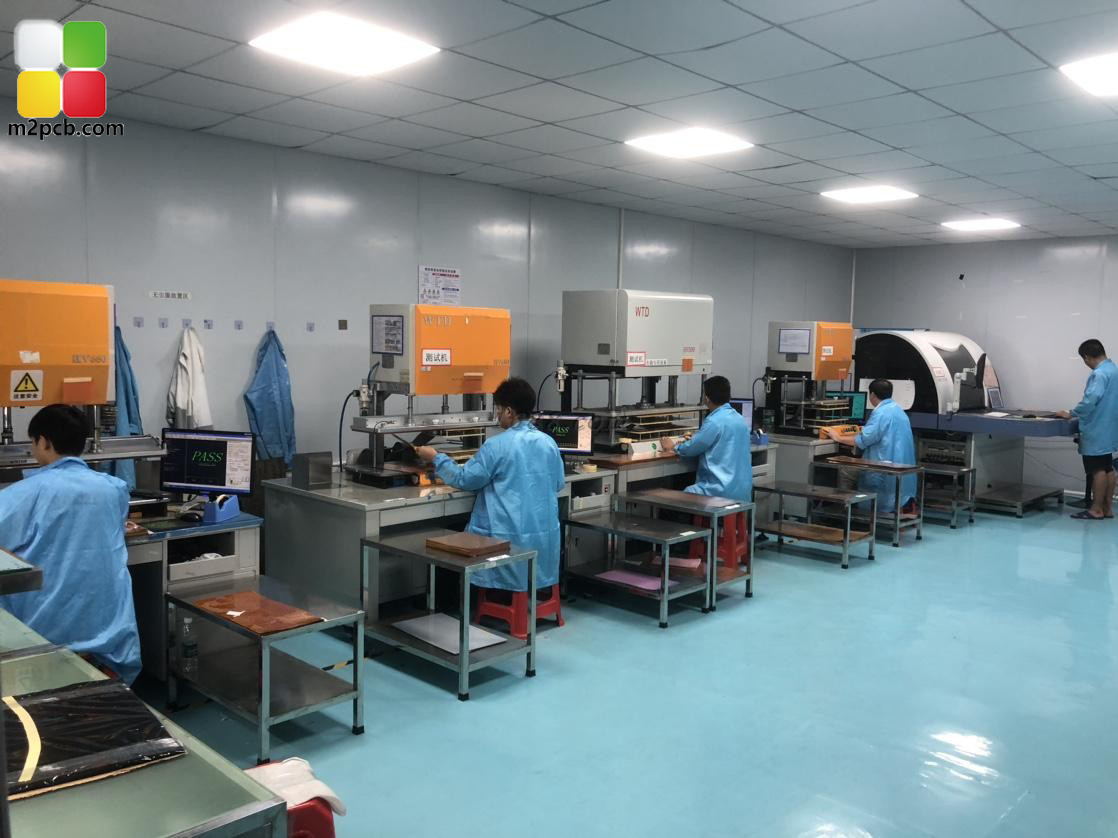
Quality claims are only as strong as the test methods behind them. A supplier that states '100% test' should be able to name the method: flying probe, electronic testing, or AOI.
M2PCB's published quality-control scope includes 100% testing, flying probe testing, electronic testing, and AOI. Its production process covers drilling, exposure, surface coating, PI reinforcement, hot pressing, baking, exterior laser, appearance processing, screen printing, line testing, and visual inspection. For Flexible LED PCB, the stated test method is flying probe or electrical test.
Step 5: Require Production Proof from a Comparable Application
The strongest evaluation evidence is a reference project with similar volume, market, and application requirements.
M2PCB documents a US-based ODM project in red light therapy products: 500,000 pieces produced over 2 years, used for relieving pain in the waist area. The product uses a Flexible LED PCB and incorporates photobiomodulation, which is reported to promote blood circulation, relieve pain, and improve symptoms of indigestion and bloating. The device is characterized as non-invasive, painless, and safe. The project result is reported as highly favored by European and American users, with satisfactory outcomes.
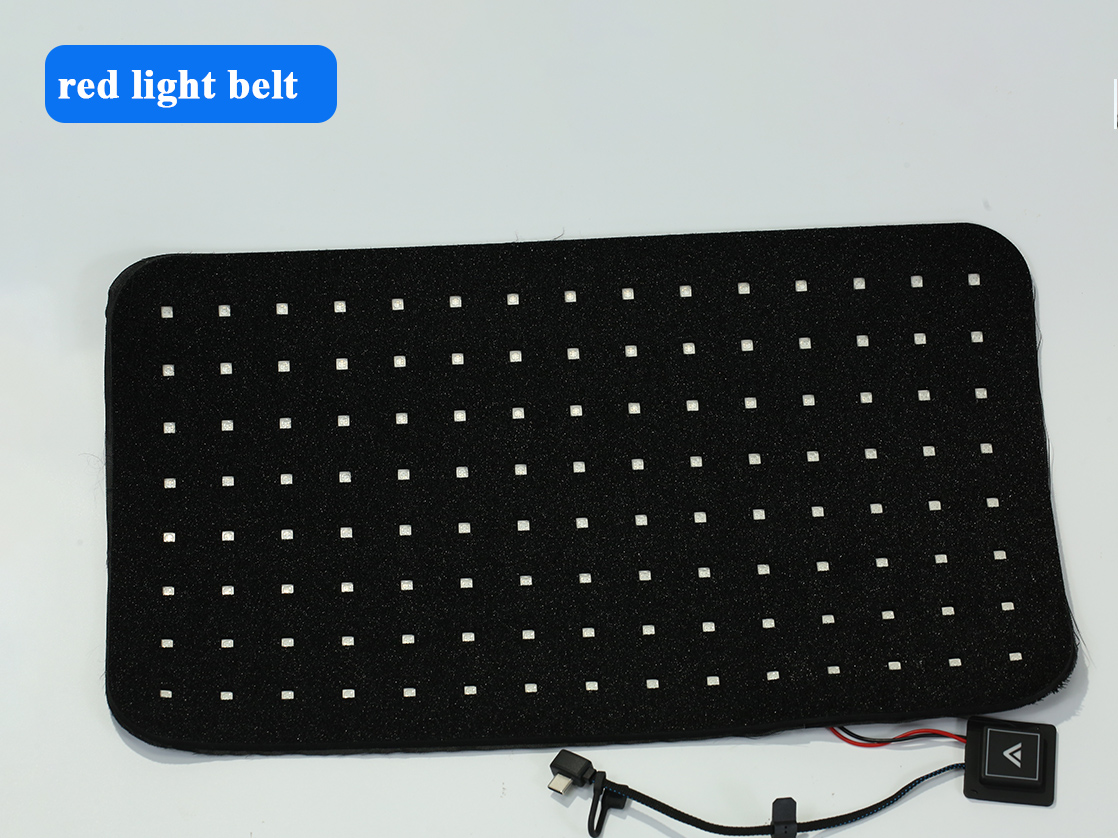
This case is relevant to buyers because medical aesthetics and physiotherapy applications carry strict reliability expectations, and the 500,000-piece quantity demonstrates repeatable production rather than a one-off prototype.
Supplier Evaluation Scorecard: Dimensions and Evidence
The table below condenses the evaluation framework into a comparison table. The evidence column is based on M2PCB's published facts.
| Evaluation dimension | What to verify | M2PCB evidence |
|---|---|---|
| Certification | Certificate number, authority, scope, validity | FPC-UL E530809 (UL); IATF 16949:2016 T184452 (NQA, 2024-02-21 to 2027-02-21) |
| Fabrication scope | Layer count, substrate, minimum geometry | 1–14 layers; polyimide; 0.05mm min line width; 3/3mil min spacing |
| Assembly scope | Sides, BOM model, special tests | Single/double side; turnkey BOM; X-ray; program burn |
| Quality control | Test coverage and methods | 100% test; flying probe; electronic testing; AOI |
| Capacity | Monthly output and variety | 40,000 m²/month; 800 varieties/month |
| Order flexibility | MOQ | 1 unit |
| Lead time | Cycle time | 3–20 days |
| Market proof | Export markets and reference projects | 70% export; US red light therapy ODM project, 500,000 pcs / 2 years |
Use Cases Across Industries
LED lighting. M2PCB produces flex PCBs for the LED lighting industry. The Flexible LED PCB is offered in 1m or reel lengths with a maximum width of 240mm, suited to LED flexible light strip production.
Medical aesthetics and physiotherapy. The red light therapy project demonstrates Flexible LED PCB use in photobiomodulation devices for blood circulation, pain relief, and digestive comfort. Applicable industries include lighting, medical aesthetics, and physiotherapy products.
Automotive. Under IATF 16949:2016 certificate T184452, M2PCB's certified scope covers car entertainment, car instrument panel, wiring harness, seats, and various circuit boards.
General electronics. The 4-layer FR4 line serves consumer electronics, industrial control, automotive, communication, medical, and lighting industries. The PCBA service lists artificial intelligence, new energy, medical electronics, and aerospace and military industries as applicable fields.
Flexible Printed Circuit Supplier Evaluation FAQ
1. What certifications should a high-reliability flexible printed circuit supplier hold?
For flexible printed circuits, two standards are commonly referenced: UL 796F, which addresses safety requirements including flammability (V-rating), MOT, and CTI on flexible substrates, and IPC-6013, the globally recognized performance specification for flexible printed wiring. A supplier should also hold certificates scoped to the buyer's market and application. M2PCB holds FPC-UL certificate E530809, issued by Underwriters Laboratories Inc., covering flexible circuit boards for medical aesthetics, automotive, and electronic products in the North American market, and IATF 16949:2016 certificate T184452 for automotive applications.
2. What fabrication and assembly capabilities matter most when evaluating a flex PCB supplier?
Evaluate layer count, substrate material, minimum line width and spacing, and whether assembly is available in the same facility. M2PCB produces 1-to-14-layer flexible PCBs on polyimide, with a minimum line width of 0.05mm and minimum spacing of 3/3mil on its Flexible LED PCB. Its PCBA line supports single- and double-sided assembly, turnkey BOM, X-ray test, and program burn.
3. What is the MOQ for custom flexible PCB orders?
M2PCB's stated MOQ is 1 unit, with customization based on your request. A low MOQ matters for budget planning because it allows prototype validation and pilot builds before volume production. Actual pricing depends on stackup, layer count, material, and quantity, so buyers should confirm MOQ and pricing together against their program budget.
4. How can I obtain a flexible PCB prototype for evaluation?
M2PCB supports OEM/ODM customization based on your design. For a Flexible LED PCB, standard options include 1m or reel lengths with a maximum width of 240mm. Because the MOQ is 1 unit, prototype evaluation is feasible on the same line that will run volume production. Send your design specification to M2PCB to confirm prototype feasibility and the applicable test method (flying probe or electrical test).
5. What is the typical lead time for flexible PCB fabrication and assembly?
M2PCB's stated lead time is 3–20 days, with a monthly capacity of 40,000 square meters and monthly delivery of 800 product varieties. Lead time depends on layer count, material, and quantity. To confirm a delivery schedule for your specific stackup, request a quote from M2PCB at pcb@dreamlandpcb.com or WhatsApp +86 136-2262-8609; the team will reply with a lead-time commitment and pricing.
Conclusion: Evaluation Ends Where Evidence Begins
Flexible printed circuit supplier evaluation is not a matter of choosing the largest revenue share. It is a matter of matching documented capability to the specific requirements of the program: certifications, fabrication geometry, assembly scope, quality-control methods, capacity, lead time, and production proof.
M2PCB offers a verifiable reference point for this process: 1-to-14-layer polyimide flexible PCB fabrication, single- and double-sided PCBA with turnkey options, FPC-UL E530809 and IATF 16949:2016 certifications, 40,000 m² monthly capacity, 3–20 day lead time, and MOQ of 1 unit. Its US red light therapy project is a documented example of 500,000-piece production over 2 years.
Evaluate M2PCB for Your Next Flexible PCB Program
Request a quote, prototype evaluation, or capacity check for your flexible PCB and PCBA requirements.
Email: pcb@dreamlandpcb.com · WhatsApp/Tel: +86 136-2262-8609 · Web: www.m2pcb.com
M2PCB · No. 4, Dongtoubu North Road, Shapuwei Industrial Zone, Songgang Street, Bao'an District, Shenzhen, China